Why Traditional Heat-Resistant Conveyor Belts Fail—and How We Are Helping Solve the Problem
May 28, 2026
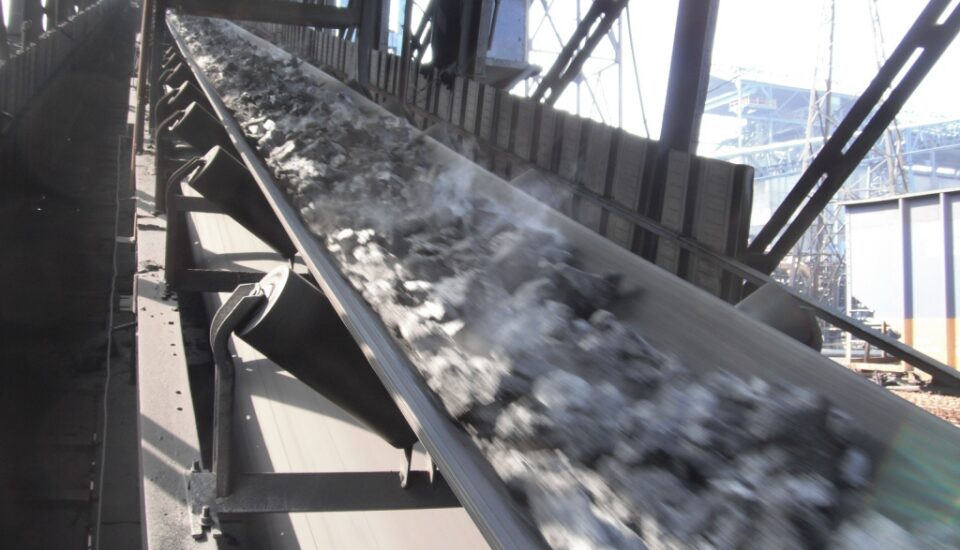
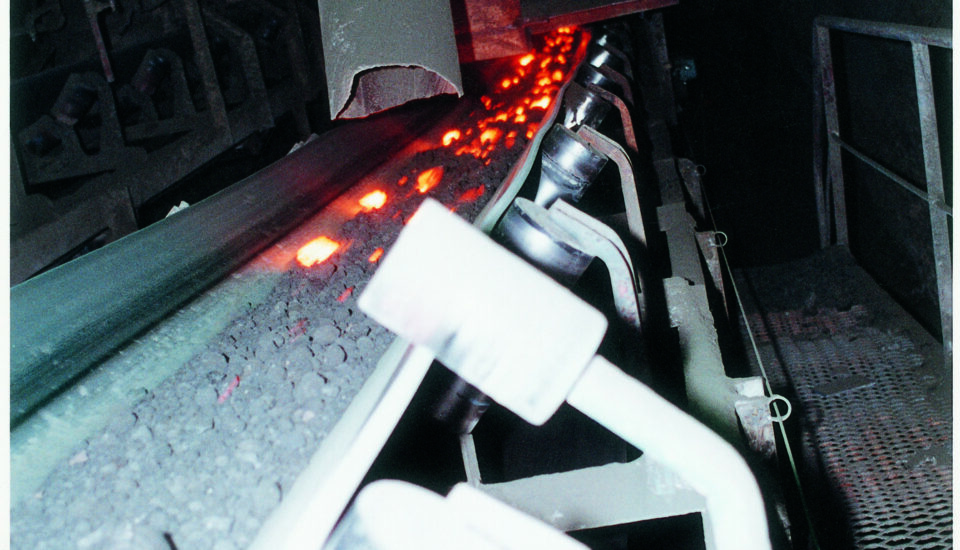
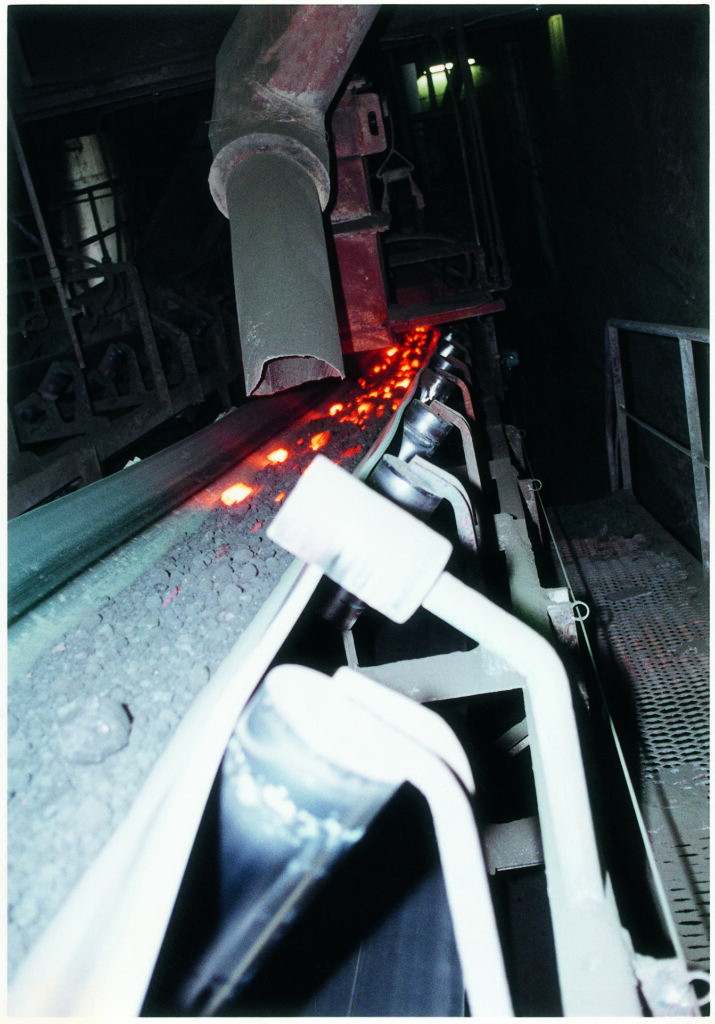
In high-temperature conveyor applications, most facilities focus heavily on heat ratings when selecting conveyor belts. While temperature resistance is critical, many operations overlook one of the most important factors affecting overall conveyor performance: flexibility.
Traditional heat-resistant conveyor belts are often extremely stiff by design. Although they can tolerate elevated temperatures, their rigidity frequently creates tracking problems, difficult startups, excessive carryback, and increased maintenance demands throughout the conveyor system.
Constant Maintenance Challenges
For operations in cement plants, steel mills, foundries, and bulk material handling facilities, these challenges directly impact uptime, maintenance costs, and operational efficiency.
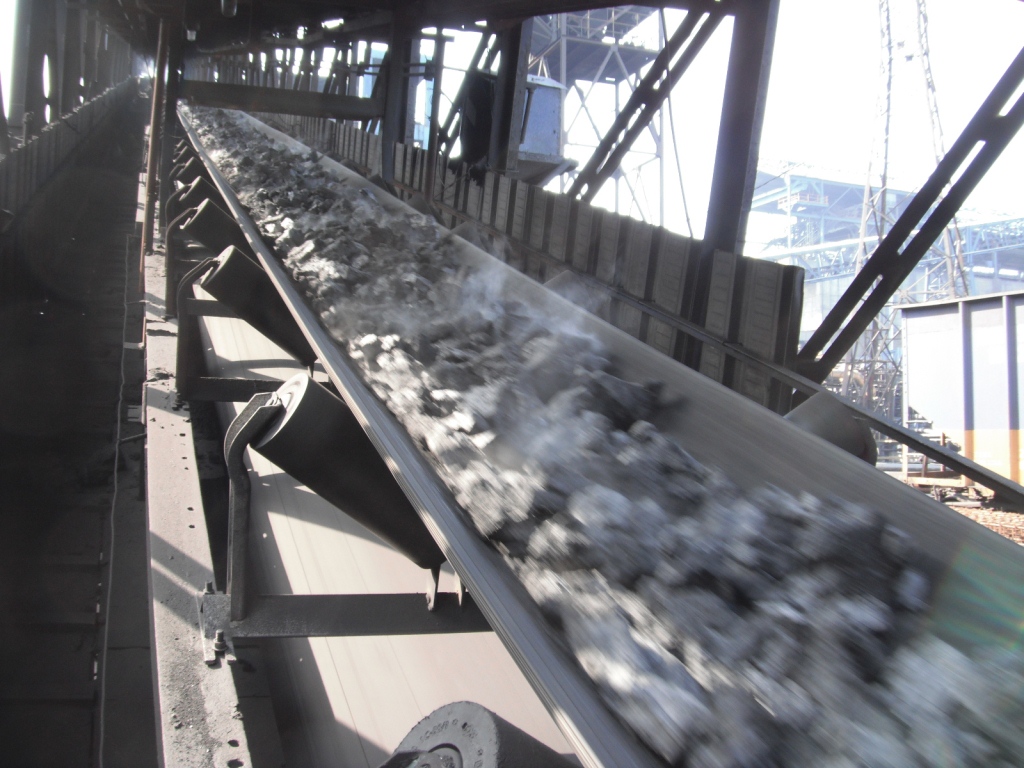
One of the biggest operational problems caused by stiff heat-resistant belts is mistracking. As belts harden over time, they resist the natural alignment of the conveyor system. Instead of following the path established by pulleys and idlers, the belt attempts to dictate its own path.
When belts mistrack, facilities often experience:
- Edge wear.
- Increased material spillage.
- Fugitive dust.
- Carryback buildup.
- Frequent tracking adjustments.
- Premature belt wear.
Traditional hot belts can also become difficult to splice and handle during maintenance. Their rigid construction makes alignment and vulcanized splicing more time-consuming, increasing labor demands and extending downtime during repairs.
Cold weather and shutdown conditions often create additional issues. Many facilities avoid shutting down hot belts because once cooled, the belts become even stiffer. Restarting these belts under no-load conditions frequently leads to tracking instability and increased wear.
How Does Bando Belting Differ
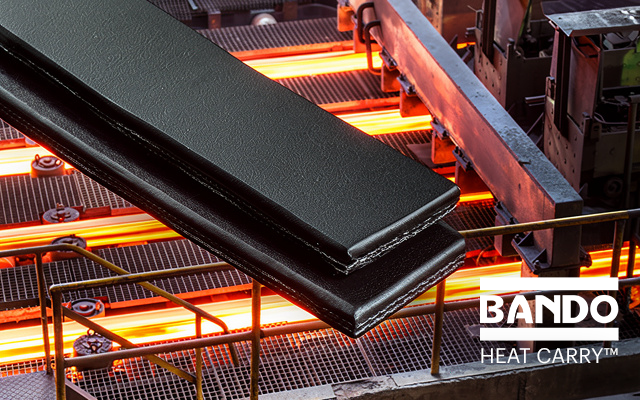
To help customers solve these operational challenges, Motion Conveyance Solutions now offers the Bando Heat Carry™ lineup of flexible high-temperature conveyor belts.
Unlike conventional heat belts, Heat Carry belts are engineered with a flexible carcass design that allows the conveyor system to naturally guide the belt. Instead of fighting the system, the belt conforms to it, improving tracking and reducing unnecessary stress throughout the conveyor structure.
The Significant Operational Advantages
Improved tracking helps reduce fugitive dust, carryback, and material spillage while creating a cleaner, more efficient operation. Maintenance teams also benefit from easier spliceability and handling during installation and repairs.
The flexibility of the Heat Carry lineup also improves startup reliability after shutdowns, helping reduce the tracking problems commonly associated with stiff traditional hot belts.
Motion Conveyance now offers:
- HC-710 for dependable high-temperature performance and crack resistance.
- HC-770 for superior abrasion resistance and elevated heat performance.
- HC-1500 for maximum durability and extended belt life.
By combining flexibility, heat resistance, and abrasion resistance, the Bando Heat Carry lineup helps operations improve uptime, reduce maintenance demands, and create more reliable conveyor performance.
Contact a Specialist View the Bando Heat Carry conveyor belt lineup here to find the right high-temperature belt for your application. Not sure where to start? Reach out to our belting specialists to learn more.