Introducing the Bando Heat Carry™ Lineup Available Now
May 28, 2026
How Flexible Heat-Resistant Conveyor Belts Improve Tracking and Reduce Downtime
August 17, 2026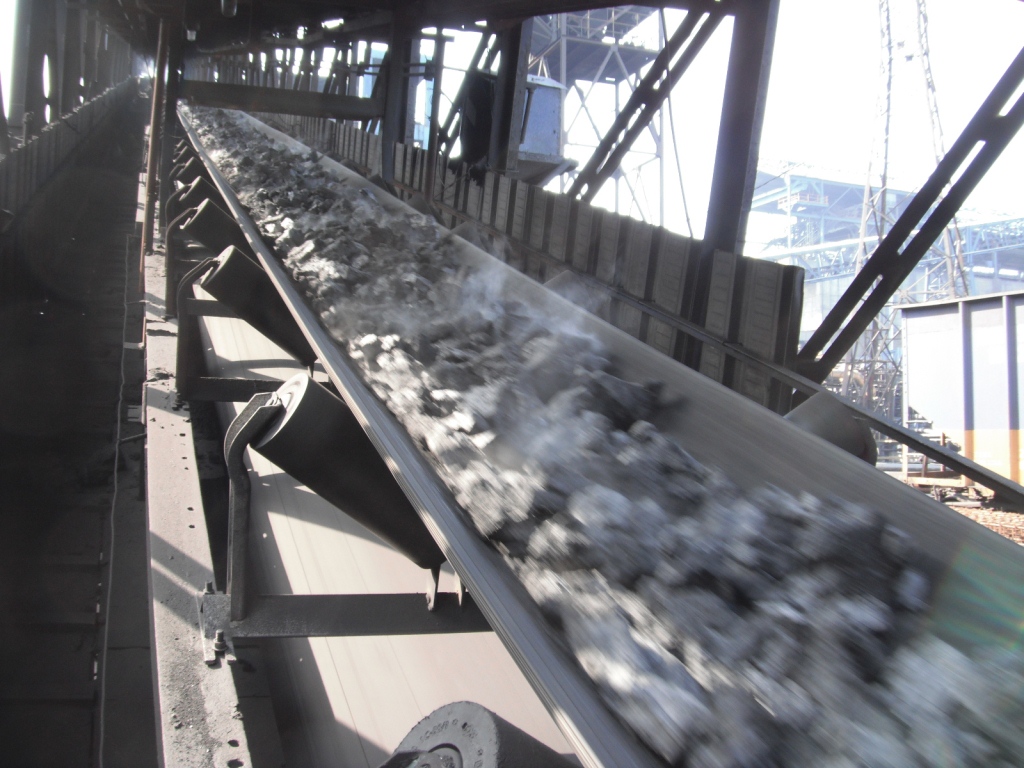
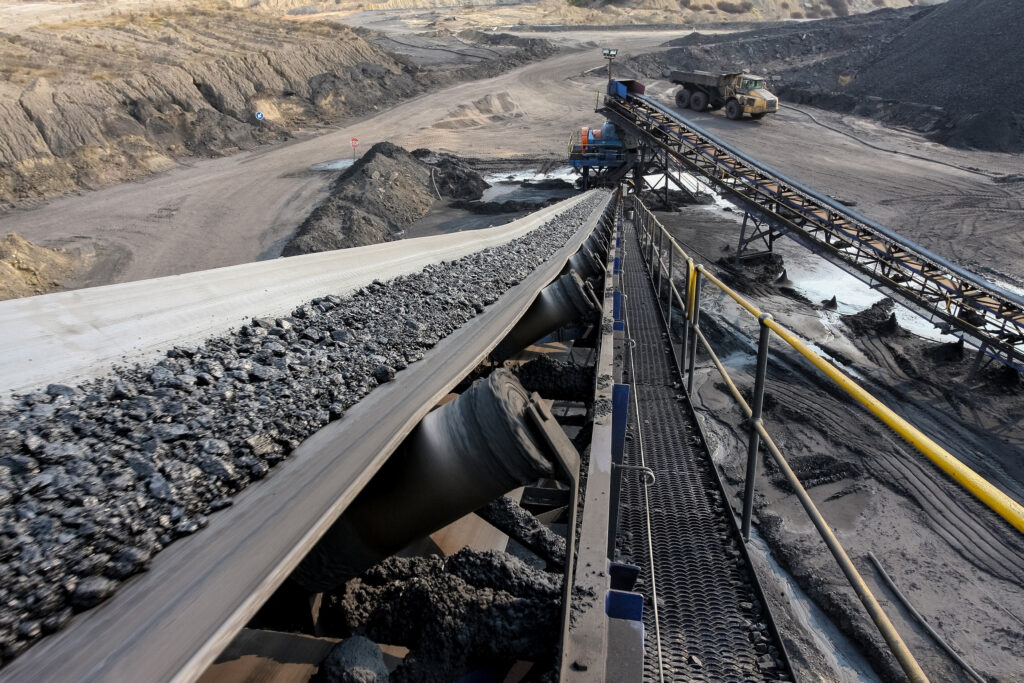
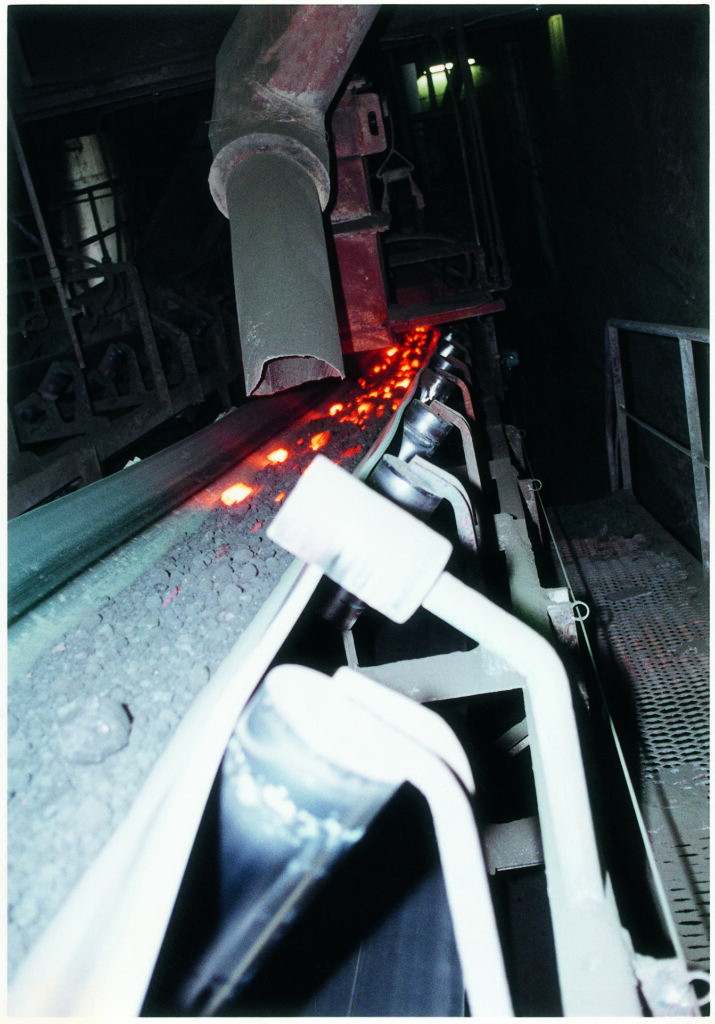
High-temperature conveyor systems operate under some of the harshest conditions in industrial manufacturing. Cement plants, steel mills, foundries, and aggregate operations rely on conveyor belts to move hot materials continuously and efficiently. But many facilities continue struggling with recurring downtime, tracking problems, cracking, and excessive maintenance—even while using so-called “heat-resistant” belts.
The problem is that many traditional heat-resistant conveyor belts are designed to survive heat exposure but are not engineered for the real-world operating conditions that accompany high-temperature conveying.
Stiffness and Belt Mistracking
As conventional hot belts age under elevated temperatures, they often become stiff and brittle. This stiffness creates a chain reaction of operational problems throughout the conveyor system.
One of the most common issues is belt mistracking. Instead of naturally conforming to pulleys and idlers, a stiff belt begins resisting the conveyor system’s alignment. In many cases, the belt effectively starts telling the system what to do rather than allowing the system to properly guide the belt. This leads to edge wear, uneven loading, frequent adjustments, increased downtime, and ultimately belt failure.
Poor tracking also contributes directly to material spillage, carryback, and fugitive dust. When belts do not track correctly, material can spill from the sides or fail to discharge properly, creating cleanup challenges and additional maintenance demands.
Splicing Challenges
Traditional heat-resistant belts can also become difficult to splice and handle. Their rigid construction often increases maintenance time during installation and repairs, requiring additional labor and creating longer shutdown periods.
Cold Starts and Shutdown Conditions
Cold starts and shutdown conditions create another challenge. Many high-temperature belts become even stiffer after cooling, so some operations avoid shutting systems down unless absolutely necessary. Upon restart—especially under no-load conditions—tracking problems and belt instability can become even worse.
How We Can Help
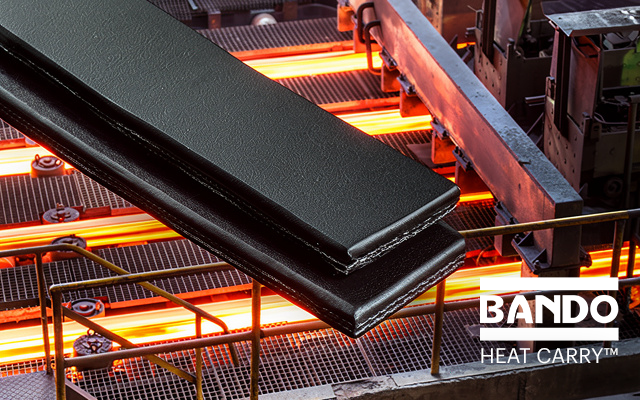
To help customers address these issues, Motion Conveyance Solutions now offers the Bando Heat Carry™ lineup of high-temperature conveyor belts, engineered specifically for real-world conveyor performance.
Unlike conventional hot belts, Bando Heat Carry belts maintain flexibility while delivering exceptional heat and abrasion resistance. Built using advanced EPR compounds and flexible carcass construction, these belts allow the conveyor system to properly guide the belt, improving tracking and overall operational consistency.
Meet the Bando Lineup
The Heat Carry lineup also features strong cover-to-carcass adhesion to help prevent delamination under extreme thermal conditions while reducing cracking and premature wear.
Operational benefits include:
- Improved conveyor tracking.
- Easier vulcanized splicing and handling.
- Reduced carryback and fugitive dust.
- Cleaner operations.
- More reliable startup performance.
- Reduced maintenance downtime.
Motion Conveyance Solutions now offers:
- HC-710 for high heat applications requiring crack resistance.
- HC-770 for superior abrasion and heat-aging resistance.
- HC-1500 for premium durability and extended service life.
For operations struggling with recurring conveyor belt failures, the issue may not simply be heat—it may be the limitations of traditional belt construction itself.
Contact a Specialist Today
Explore the Bando Heat Carry conveyor belt lineup now available to learn which solution is right for your operation. Talk to a specialist about your specific needs for the custom solution.