Keep the Ride Moving: Choosing the Right Conveyor Belt for Log Flume Water Rides
March 31, 2026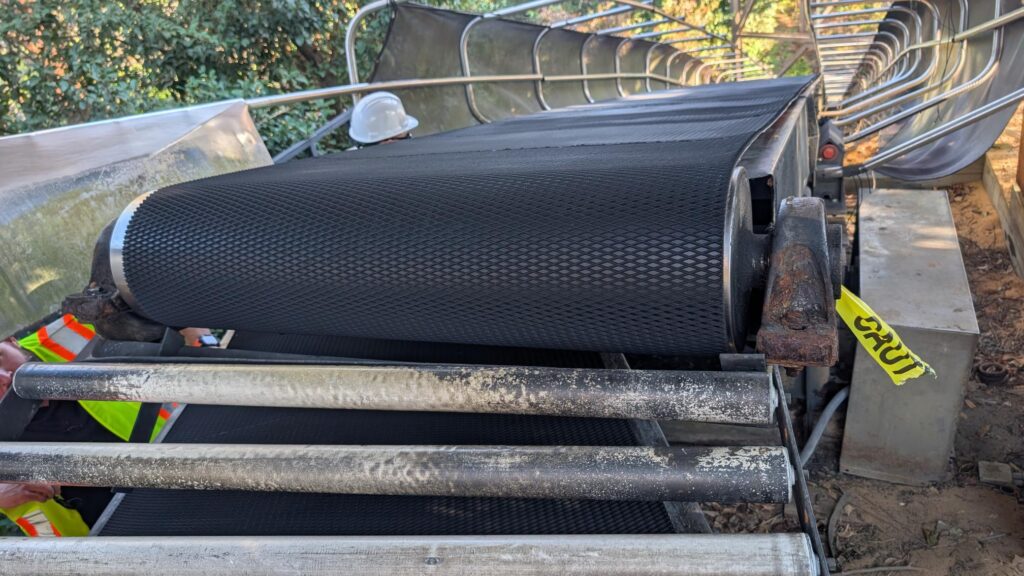
When it comes to log flume rides, safety and performance go hand in hand. While much attention is given to ride design and mechanics, one critical component is often overlooked: the conveyor belt surface.
In wet, high-load environments, surface texture isn’t just a feature. It’s a necessity.
The Challenge: Moving Loads on Wet Inclines
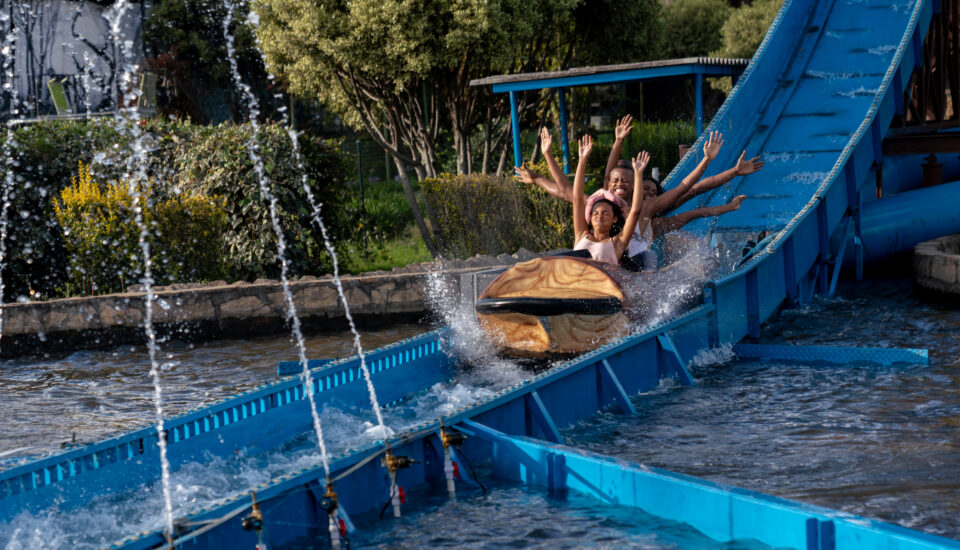
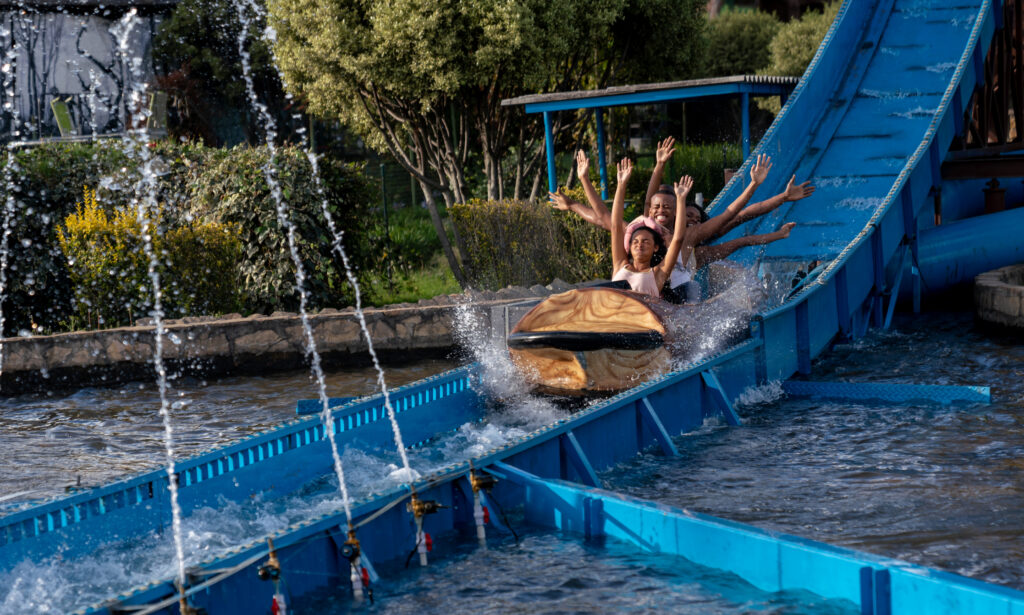
Log flume conveyor systems operate under constant exposure to water. Add incline transport and varying passenger weights, and you have a high-risk environment for slippage.
Without proper traction, systems can experience:
- Inconsistent movement.
- Increased wear.
- Safety risks during loading and transport.
This is where surface design becomes critical.
Understanding Conveyor Belt Surface Types
Not all conveyor belts are created equal, especially when it comes to grip.
While suitable for dry applications, smooth belts struggle in wet environments where water reduces friction.
Designed with a raised, patterned texture, diamond-top belts:
- Improve grip in wet conditions.
- Channel water away from contact points.
- Provide consistent traction on inclines.
Rough-top belts offer enhanced friction through a textured finish, making them ideal for:
- Steeper inclines.
- Heavier loads.
- Applications where maximum grip is required.
Why Traction Directly Impacts Safety
In log flume systems, traction isn’t just about performance, it’s about control. Proper surface texture helps:
- Prevent rollback during incline transport.
- Maintain consistent spacing between ride vehicles.
- Ensure smooth transitions at loading and unloading zones.
The result is a safer, more predictable ride experience.
Reducing Wear and Extending Belt Life
Slippage impacts safety as well as accelerates wear.
When belts slip:
- Friction increases in unintended areas.
- Heat builds up.
- Surface materials degrade faster.
By improving grip, textured belts reduce unnecessary strain and extend overall system lifespan.
Choosing the Right Surface for Your Application
The ideal surface depends on several factors:
- Incline angle.
- Load weight and variability.
- Speed of operation.
- Environmental exposure.
This is why a one-size-fits-all approach doesn’t work in water rides.
Ready to Improve Ride Safety and Performance?
In log flume conveyor systems, surface texture plays a critical role in both safety and performance.
Investing in the right belt surface means:
- Better traction.
- Reduced slippage.
- Longer belt life.
- Safer ride operation.
Explore our conveyor belt solutions engineered for maximum grip in wet environments here.